The AI path I'd walk today if I were starting over.
Most cert guides give you a checklist. This one gives you the thinking behind the checklist. From a Microsoft Global Cross Solution Architect who's seen both sides: the classroom and the enterprise.
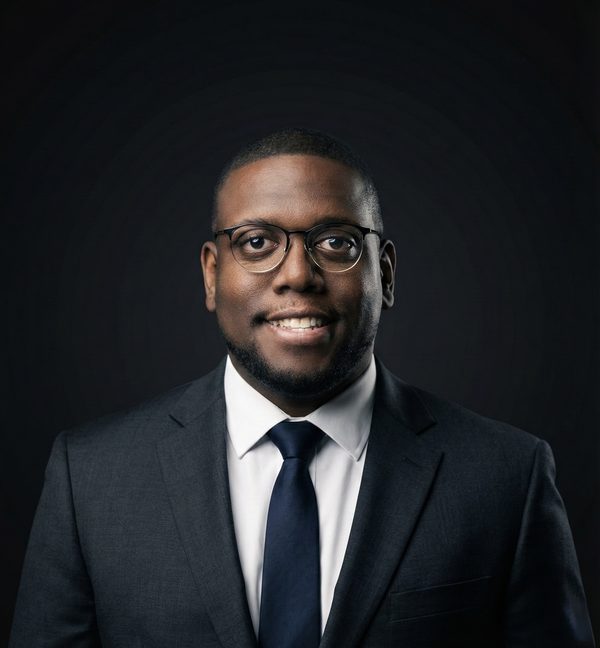
My path. In order. The real one.
Before I tell you which certs to take, you should know how I got here. Because the path I would recommend today is not the path I walked. I walked a longer one. You do not have to.
Most articles about AI careers start with a framework. Mine starts with a kid taking apart old computers at age eight. Because that is where the career actually begins, not with a certification, but with the curiosity that gets you to show up for one.
What I will tell you upfront: I am not a research-grade ML scientist. I am a Microsoft Global Cross Solution Architect. My job is to work with global partners and the AI specialists inside them, helping them shape strategy and build offers around AI, Copilot, and agentic systems. I sit at the intersection. I see how AI experts build their careers every day. That is what I am sharing with you on this page.
-
Age 8 · BrooklynThe first computerTook apart every old machine I could find. Learned what every piece did. There was no plan. There was curiosity. AI did not exist as a career path then. The mindset that got me to AI was already forming.
-
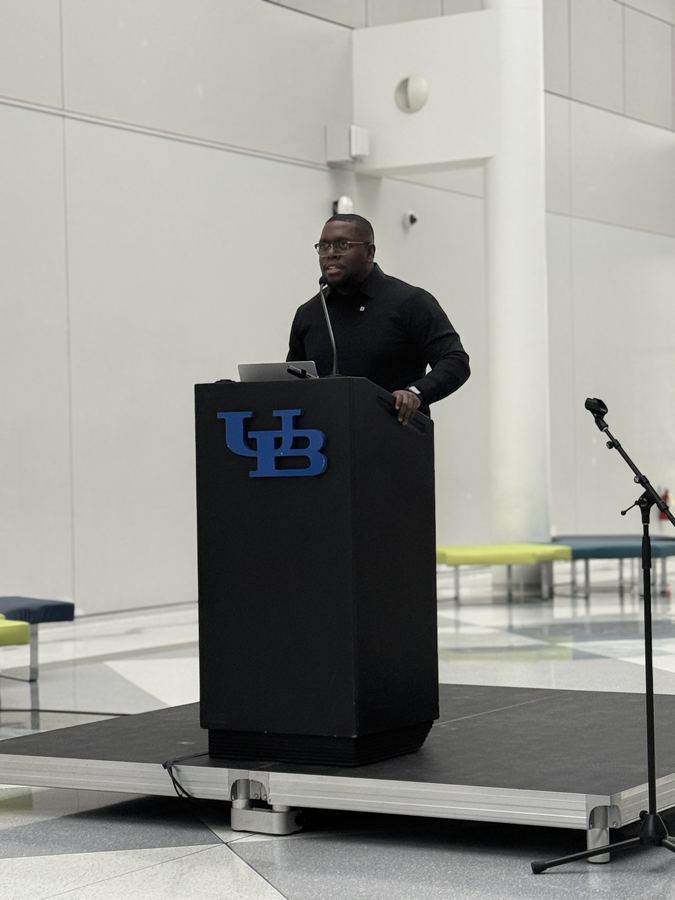
2011 · University at BuffaloBusiness Administration with MIS & MarketingI did not pick tech alone. I picked the intersection. At the time, my professors thought I was hedging. A year later, Facebook and Google became the biggest marketing companies on Earth. The bet paid off. That same logic is why I now sit in cross-solution AI work, where strategy and technology meet.
-
2012-2018 · Ingram Micro & RSAPre-Sales Engineer, Technical Account Manager, Security Pre-SalesYears of presales work on Microsoft Server, Hyper-V, VMware, RSA SecurID Access, and NetWitness Suite. I was not building AI yet. I was learning how enterprise software actually gets bought, deployed, and scaled. Every one of those lessons applies to AI today.
-
2019-2021 · Axonius & Ingram Microsoft SecurityDirector of Product Marketing, Microsoft Security Consultant IIProduct marketing taught me how to translate technical capabilities into customer language. The Microsoft Security Consultant role brought me back to partner-facing work. I was learning the Microsoft cloud stack from the inside.
-
2021-2025 · Microsoft Senior Partner Technology StrategistCloud and security strategy with global partners4+ years guiding partners on Microsoft cloud and security solutions, including the early waves of Copilot. This is where I started seeing AI move from research curiosity to enterprise-scale workloads. I was in the room when partners decided how to bring it to market.
-
2025-Today · Microsoft Global Senior Cross Solution Partner Solution ArchitectAI, Copilot, security, Azure modernizationI now lead global partner engagements driving AI- and security-led sales outcomes. I have hands-on experience with Microsoft Copilot, Copilot Studio, and building agents from simple prompts to multi-agent systems. I work alongside specialists who have built deep AI careers, and I get to see the patterns from above.
It looks like hustle. It is actually just curiosity, still doing its job since age eight.
Here is what my path taught me that I want to save you from learning the hard way: you do not need to be a PhD researcher to build a great AI career. You need working AI fluency, the right Microsoft credentials, and the ability to ship things. That is what AI-901 + AZ-900 + AI-103 give you. The rest comes from doing the work.
That is what this page is about.
Who this is actually for.
I'd rather tell you to close this tab than waste your time. So let me be direct about who should keep reading, and who shouldn't.
This path is for you if:
- You've got curiosity about AI but don't know where to land the plane.
- You've been doing some flavor of tech work (help desk, support, sysadmin, analyst) and want to move up, not just sideways.
- You're switching careers from a completely different field and want a credible entry point into AI that doesn't require a PhD.
- You lead a team and need to understand how AI fits. Not build the models yourself, but know enough to ask the right questions.
This path is not for you if:
- You want to be a research scientist publishing novel ML papers. That's a different path (usually a PhD + the AI-300 track).
- You're already an experienced ML engineer looking for bleeding-edge content. This is the foundational path, not the specialist one.
- You want to learn by certification collection. Certs without hands-on work are decoration. If you're not willing to build things, this path won't save you.
Still here? Good. Let's talk about what usually goes wrong.
The 3 biggest mistakes I see every time.
I've mentored enough people through this path to see the same three mistakes on repeat. Each one adds months. One of them can cost you a year.
Skipping AZ-900 because “this is an AI path, not a cloud path”
This is the single most common mistake, and it's the most expensive. People jump from AI-901 (the AI fundamentals cert) straight into AI-103 (the associate-level AI developer cert) and hit a wall. Why? Because AI-103 assumes you know how Azure works. Resource groups. RBAC. Managed identity. Monitoring. Cost management.
Without AZ-900, you'll spend the first two weeks of AI-103 studying not AI, but Azure. It adds 4-6 weeks of frustration.
Studying to pass the exam instead of to do the job
I meet people who passed AI-103 and can't build an agent. They know every multiple-choice answer about responsible AI frameworks. They've never actually deployed a model to Azure OpenAI.
Employers don't hire certification scores. They hire people who can ship. The cert is a proxy for capability, not a replacement for it.
Chasing AI-102 before it retires in June 2026
I understand the urge. “Let me take AI-102 now, before it retires, so I have it on my transcript.” I get it. But ask yourself: what are you solving for? If the answer is “I want the credential,” and you can pass in the next 6 weeks, fine. Take it. The cert stays on your transcript forever.
But if you're just starting to study, you're making a trade: spending 8-12 weeks on an exam that retires June 30, 2026, when the replacement (AI-103) is already live as of April 2026 and covers the exact skills employers actually want now: agents, Foundry, responsible AI for agentic systems.
The sequence, in order, with timing.
Three certs. Six-to-nine months of focused work, depending on your pace. Here they are, in the exact order I'd take them if I were starting over in 2026.
This is where you learn the vocabulary. What is machine learning versus deep learning? What is a transformer? What is responsible AI? How does Azure structure its AI services? You don't need to code. You need to be conversationally fluent. The new AI-901 exam (replacing AI-900 after June 30, 2026) specifically covers generative AI workloads, which is 20-25% of the skills measured.
Microsoft Learn: AI Fundamentals →The load-bearing cert. This is what makes everything that comes after easier. You'll learn how Azure is organized, how services connect, how identity and access work, and how cost management fits in. These concepts underpin every AI service you'll ever deploy. Skip this and AI-103 becomes twice as hard.
Microsoft Learn: Azure Fundamentals →This is the one employers actually hire for. AI-103 covers building generative AI applications and agents using Microsoft Foundry, retrieval-augmented generation (RAG), multi-agent orchestration, and responsible AI for agentic systems. It's the cert that gets you interviews for roles paying $130K-$180K in the US. Released in April 2026 to replace AI-102.
What you'll actually learn (from Microsoft's April 2026 skill breakdown):
- Planning and managing Azure AI solutions (25-30%)
- Implementing generative AI and agentic solutions (30-35%)
- Implementing computer vision solutions (10-15%)
- Implementing text analysis solutions (10-15%)
- Implementing information extraction solutions (10-15%)
Total: 14-22 weeks of focused study. $363 USD in exam fees. A credential stack that tells employers “I can build, not just talk about.”
What to do between certs.
Here's what separates the people who get certified and also get hired, from the people who get certified and stay stuck: what they do between exams.
The cert is proof you studied. The project is proof you can build. Employers want both. Here's what I recommend doing in the 4-6 weeks between each exam:
After AI-901:
- Sign up for Azure (free tier gives you $200 in credits for 30 days).
- Build something dumb. A chatbot that answers questions about your favorite movie. A sentiment analyzer for your Twitter feed. The goal is to touch the services you just learned about.
- Post about it on LinkedIn. One paragraph. One screenshot. You're building a public portfolio whether you realize it or not.
After AZ-900:
- Spin up a resource group, deploy a storage account, configure an Azure Function. Break things. Fix them. Now you know Azure, not just “about” Azure.
- Read one Azure case study per week on learn.microsoft.com. Pick companies in an industry you care about. See how real customers use Azure.
After AI-103:
- Build an agent. Not a tutorial agent. An agent that does something in your actual life. Automates your email triage. Summarizes your meeting notes. Helps you do your taxes. Whatever.
- Document the whole thing on GitHub. Code + README + one loom video. That repo is now your portfolio.
- Start applying for roles. Yes, already. You don't need to feel ready. You need to be in the conversation.
If you can only do one thing between certs: build one tiny project. Not a perfect one. A small, shippable, shareable one. Momentum beats perfection every time.
Thriving, not just surviving.
Most cert guides end at “you passed, congrats, apply for jobs.” That's like teaching someone to drive and then dropping them on the highway. Let me tell you what actually happens after you're certified, and how to not just survive it but use it.
Don't hide behind the cert
Certs open the door. They don't walk through it. When you interview, lead with what you built, not what you passed.
Specialize within 18 months
“AI generalist” is a temporary title. After AI-103, pick one domain: healthcare AI, financial services AI, government AI. Depth pays.
Join a community, not an influencer
Microsoft Tech Community, local Azure user groups, Women in AI meetups. Real community compounds. Scrolling doesn't.
Write about what you build
One LinkedIn post per month. One Substack per quarter. You're not writing for an audience. You're writing for your future self and the recruiter who Googles you.
Renew every cert, every year
Microsoft associate certs require annual renewal via a free assessment on Microsoft Learn. Set a calendar reminder. Don't let the work you did expire.
The next cert is not more certs
After AI-103, the next move is usually not another cert. It's AB-620 (AI Agent Builder, beta April 2026) or a specialist cert in your domain. Choose based on the role you want, not the badges you're collecting.
The cert is the starting line. Most people treat it like the finish line. That's why they stay stuck.
The 2026 retirement watch.
Microsoft is retiring 11 certifications in 2026. For this AI path specifically, two of them matter.
AI-900 retires June 30, 2026
Replaced by AI-901 (same certification name, updated exam content). If you already have AI-900, it stays on your transcript forever. If you're studying for it now and can pass before June 30, take it. If you're just starting, study for AI-901.
AI-102 retires June 30, 2026
Replaced by AI-103 (new certification name: Azure AI App and Agent Developer Associate). If you already have AI-102, it stays on your transcript for one year after retirement, then expires normally. If you're studying for it and close to ready, finish it. If you're just starting, go directly to AI-103.
Bookmark this page. As Microsoft announces more changes through 2026 and into 2027, I'll update this section. Or see Microsoft's official retirement list directly:
Walked the path? Come find me.
I'm not currently taking new 1-on-1 mentees, but if you've done the work, built the projects, and have real questions, I read every message. And if you're the right fit for what I'm building next, we'll talk.